For international buyers sourcing plant-based insect repellent products from China, EPA registration is not optional — it is a legal prerequisite for entering the US market and a strong trust signal for buyers worldwide. This guide breaks down what EPA registration means, how it affects your procurement process, and what to look for when evaluating suppliers.
Why EPA Registration Matters
The US Environmental Protection Agency (EPA) regulates all insect repellent products sold in the United States under the Federal Insecticide, Fungicide, and Rodenticide Act (FIFRA). Any product that claims to repel, kill, or mitigate pests must be registered with the EPA before it can be legally imported, sold, or distributed.
Key implications for buyers:
- Market access — Without EPA registration, products cannot legally enter US retail channels
- Retailer requirements — Major retailers (Amazon, Walmart, Home Depot) require EPA Est. numbers before listing
- Customs clearance — US Customs may detain shipments lacking valid EPA registration
- Liability protection — Registered products carry manufacturer accountability for safety and efficacy claims
Understanding EPA Establishment Numbers
An EPA Establishment Number (EPA Est. No.) identifies the physical facility where a pesticide product is produced. It is distinct from a product registration number and applies to the manufacturing site rather than individual products.
Our registration: EPA Est. No. 104817-CHN-1
This number confirms that our Hubei manufacturing facility has been registered with the EPA and is authorized to produce repellent products for export to the United States.
Label Compliance Requirements
EPA-registered repellent products must carry specific label elements. When sourcing OEM or private label repellent products, ensure your packaging includes:
- EPA Registration Number — Displayed prominently on the label
- EPA Establishment Number — Format: “EPA Est. No. XXXXXX-CHN-X”
- Active ingredient disclosure — Percentage and common name of all active ingredients
- Directions for use — Clear application instructions in the target market language
- Precautionary statements — Safety warnings and first-aid instructions
- Storage and disposal — Proper handling instructions
- Net contents — Weight or volume in both metric and imperial units
Product Types Available
Our Fastboat repellent line covers multiple pest categories and formats:
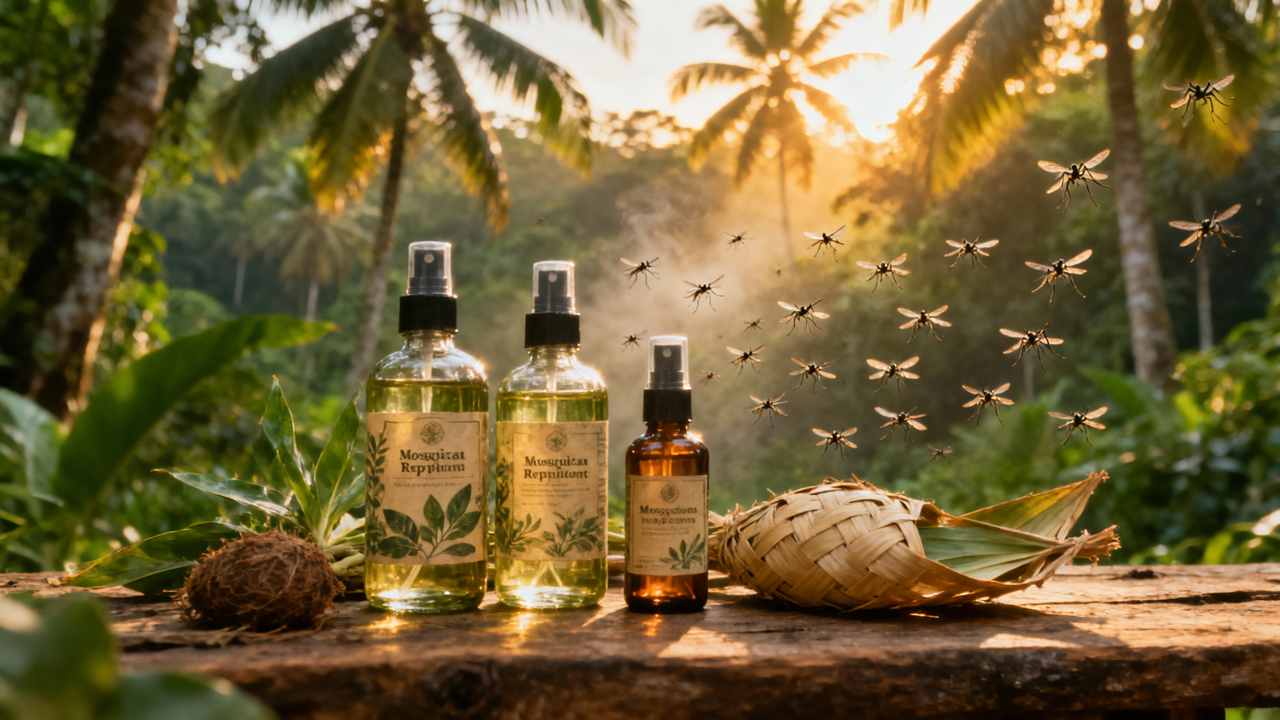
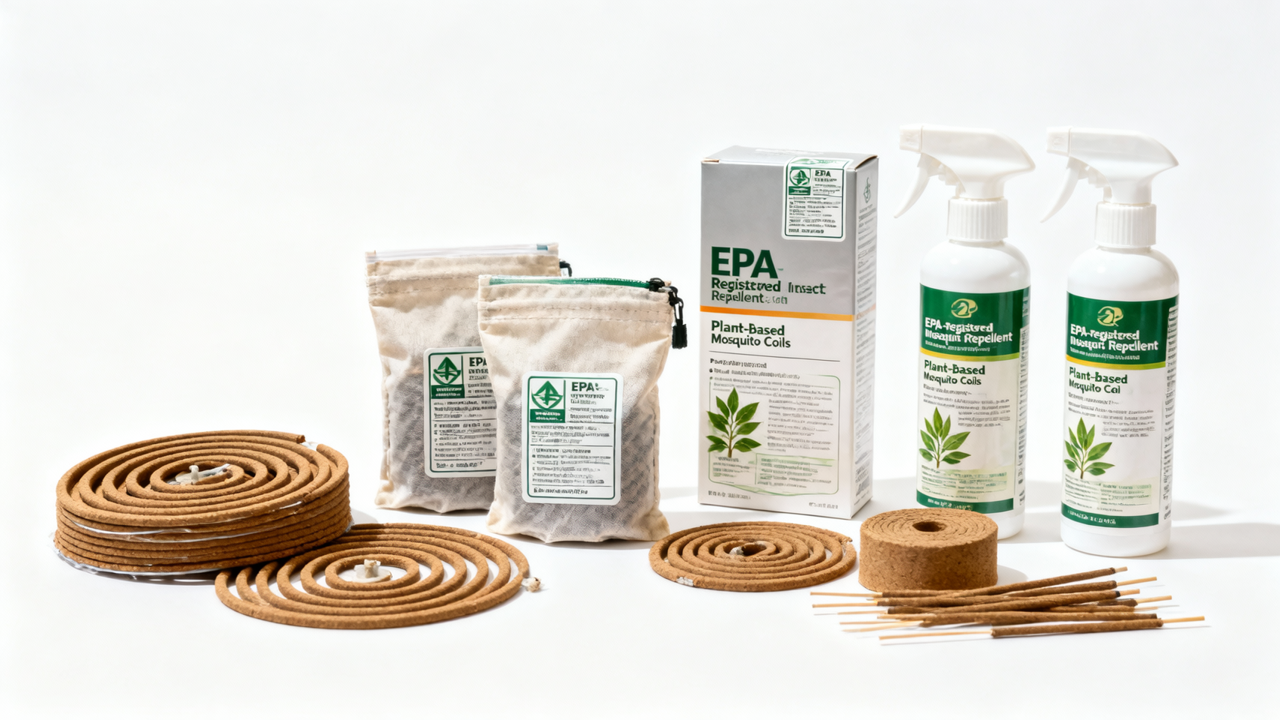
- Mosquito repellent — Coils, pouches, and sprays with mugwort-based formulations
- Rodent repellent — pouches and cream formulations for indoor and outdoor use
- Snake repellent — formulated for garden and agricultural applications
- Squirrel repellent — designed for attic and garden protection
- Cockroach repellent — gel and pouch formats for household use
All products use plant-based, non-toxic formulations that align with growing consumer demand for chemical-free pest control alternatives.
MOQ and Lead Time Expectations
| Product Type | Standard MOQ | Lead Time |
|---|---|---|
| Mosquito coils | 500 units | 10-15 days |
| Repellent pouches | 500 units | 10-15 days |
| Repellent sprays | 500 units | 15-20 days |
| Custom OEM formulations | 1,000 units | 20-25 days |
Sample policy: Free samples available for existing products (buyer covers shipping). Custom formulation samples require a development fee, refundable upon order placement.
OEM Customization Options
For buyers seeking private label repellent products, we offer:
- Custom active ingredient ratios — Adjust potency for different target markets
- Custom scent profiles — Modify fragrance for regional preferences
- Multi-language packaging — Labels in English, Spanish, Portuguese, or other languages
- EPA-compliant label design — Our team handles label artwork to meet regulatory requirements
- Custom packaging formats — Pouches, sprays, gels, and coils
Sourcing Checklist for Buyers
Before placing an order, verify the following with your supplier:
- Valid EPA Est. number — Request a copy of the EPA registration certificate
- Product-specific registrations — Confirm which products are covered under the establishment registration
- Label artwork approval — Review and approve label designs before production
- Third-party lab testing — Request recent efficacy and safety test reports
- Export documentation — Ensure the supplier can provide all necessary export documents
- Production capacity — Confirm the factory can meet your volume requirements within the lead time
Common Pitfalls to Avoid
- Assuming one registration covers all products — Each product type may require separate registration
- Overlooking state-level requirements — Some US states (e.g., California, New York) have additional pesticide regulations
- Ignoring label language requirements — Labels must be in English for US market entry
- Underestimating lead times — Custom formulations and packaging add 5-10 days to standard production time