Brazil faces recurrent dengue fever outbreaks driven by Aedes aegypti mosquitoes, creating sustained demand for effective mosquito repellent products. For plant-based repellent manufacturers and distributors, Brazil represents one of the world’s largest and most strategically important markets.
The Scale of Brazil’s Mosquito Problem
Brazil reports millions of dengue cases annually, with peak transmission during the rainy season (November to April). The 2024 dengue outbreak was among the worst in the country’s history, prompting federal emergency declarations across multiple states.
Key market drivers:
- Year-round transmission — Tropical climate sustains mosquito populations throughout the year
- Urban density — High population density in cities accelerates virus spread
- Government procurement — Public health programs purchase repellents in bulk
- Consumer awareness — High public awareness of mosquito-borne disease prevention
- Natural product preference — Brazilian consumers increasingly prefer plant-based and natural formulations
Why Plant-Based Repellents Fit the Brazilian Market
Brazilian consumers show a strong preference for natural and botanical products, driven by:
- Rich herbal tradition — Brazil’s diverse flora has deep cultural roots in wellness and medicine
- Chemical sensitivity concerns — Growing awareness of DEET and permethrin side effects
- Indoor use safety — Plant-based products are safer for enclosed Brazilian homes
- Child-friendly formulations — Parents seek non-toxic options for children
- Sustainability values — Environmental consciousness drives demand for biodegradable products
Product Recommendations for Brazil
Mosquito Coils (Espirais)
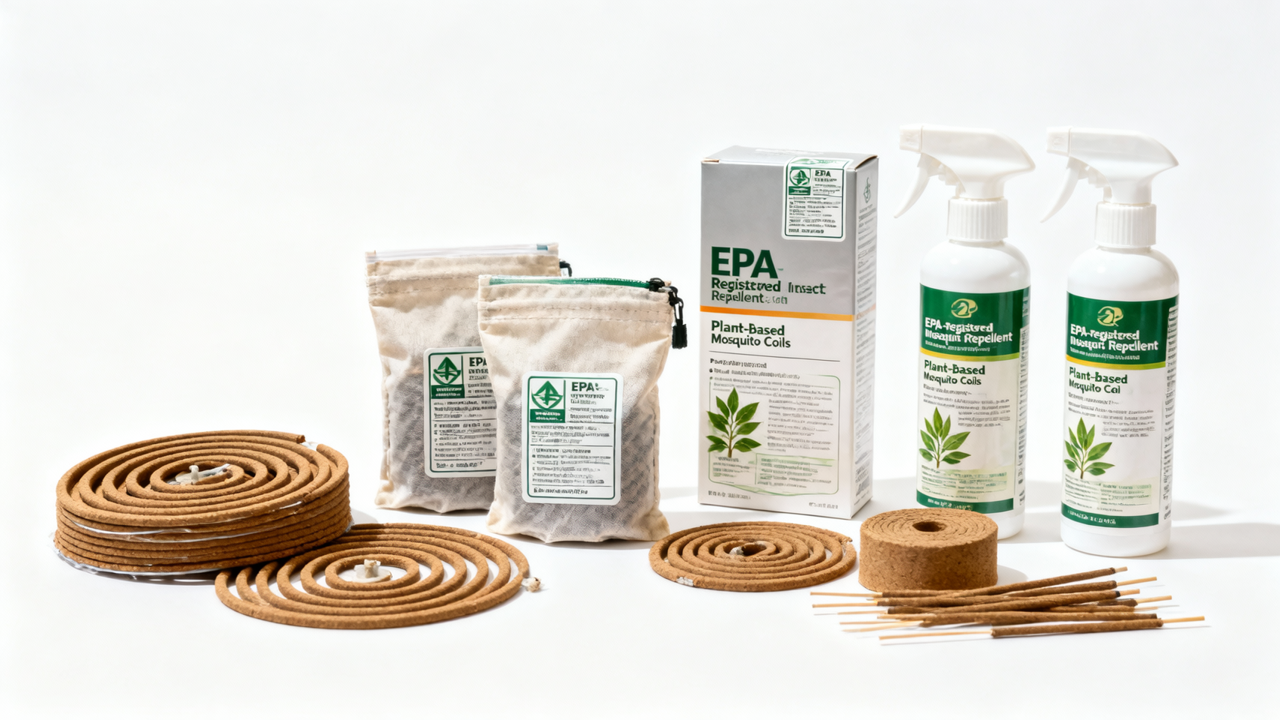
Mugwort-based mosquito coils offer extended protection for patios, gardens, and outdoor gatherings — a core Brazilian lifestyle use case. The coil format is already familiar to Brazilian consumers.
Mosquito Pouches (Sachês Repelentes)
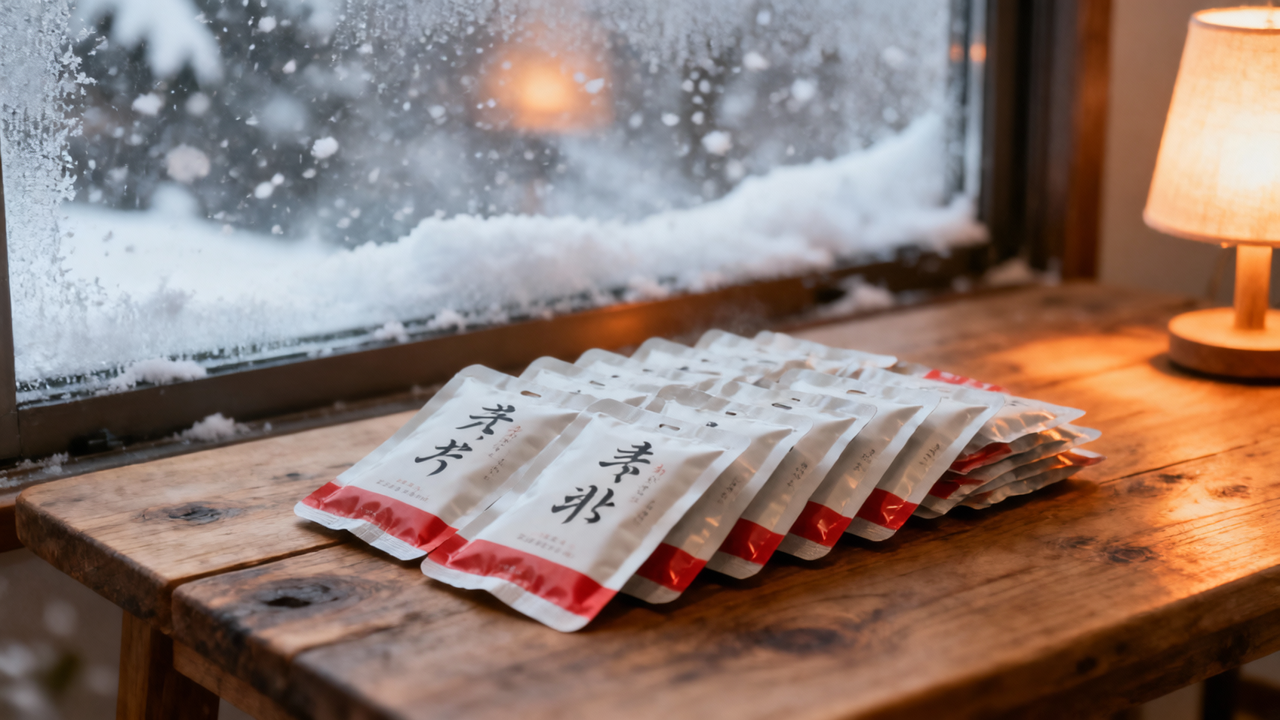
Hanging pouches are ideal for wardrobes, windows, and entryways. Their discreet format suits apartment living in dense urban areas like São Paulo and Rio de Janeiro.
Mosquito Spray (Spray Repelente)
Spray formulations provide on-demand protection and are the most versatile format. Mugwort-based sprays offer a natural alternative to chemical sprays.
ANVISA Regulatory Requirements
Brazil’s Health Regulatory Agency (ANVISA) oversees repellent product registration. Key considerations:
- Product registration — Repellent products require ANVISA registration before sale
- Label requirements — Portuguese language labels with active ingredient disclosure
- Import licensing — Distributors must obtain an import license from ANVISA
- Good Manufacturing Practices — Suppliers must demonstrate GMP compliance
- Toxicological assessment — Products undergo safety evaluation
Our advantage: Our EPA-registered manufacturing facility (EPA Est. No. 104817-CHN-1) meets international GMP standards, streamlining ANVISA registration for Brazilian import partners.
Procurement Strategy for Brazilian Distributors
Seasonal Stocking
Plan inventory around the dengue season (November-April). Place orders by August-September to ensure stock arrives before peak demand. Lead times of 15-25 days plus shipping must be factored in.
Product Mix Recommendation
For initial market entry, we recommend:
- Mosquito coils — 40% of initial order (highest volume seller)
- Mosquito pouches — 30% (indoor protection, repeat purchase)
- Mosquito spray — 30% (on-demand protection, premium positioning)
Distribution Channels
- Pharmacy chains — Raia Drogasil, Pague Menos, São João
- Supermarket retail — Grupo Pão de Açúcar, Carrefour Brasil
- E-commerce — Mercado Livre, Amazon Brasil, Shopee Brasil
- Government procurement — Municipal and state health departments
- B2B wholesale — Distributors supplying clinics and hospitals
OEM Customization for the Brazilian Market
- Portuguese packaging — Full label translation and design
- Tropical climate formulation — Adjust active ingredients for high-temperature performance
- Brazilian scent preferences — Formulate with familiar aromatic profiles
- Custom retail packaging — Formats suited to Brazilian retail shelf standards
- ANVISA-compliant labels — Our team assists with regulatory labeling requirements
Shipping and Logistics
- FOB Shanghai/Ningbo — Standard export ports from China
- CIF Santos — Door-to-port delivery to Brazil’s main port
- Shipping time — 30-45 days by sea freight
- Air freight option — 7-10 days for urgent orders (premium cost)
- MOQ — 500 units per product type for initial orders